Media War: Somalia's War on Somaliland
By Prof. Nassir Hussein Kahin, Political Analyst,
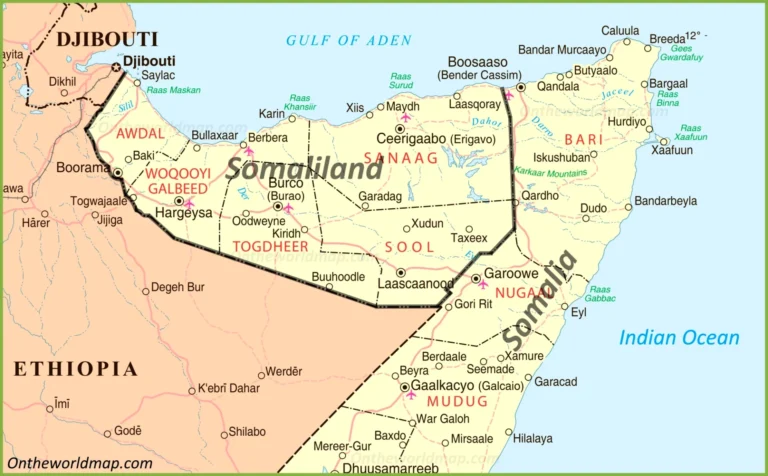
In recent weeks, a new storm has been stirred in Mogadishu over who controls visas, airspace, and the right to decide how international airlines operate flights to Hargeisa. The Federal Government of Somalia announced that all passengers entering the country must apply for an online e-visa through Mogadishu’s central system. Somaliland, in turn, rejected this directive, insisting that visitors can continue to obtain a visa on arrival in Hargeisa—just as they have since 1991.
At first glance, this might look like a dry bureaucratic matter. But behind the headlines lies a deeper contest over sovereignty, recognition, and the future of Somaliland’s independence project.
⸻
The Technical Side: Airspace and E-Visa Systems
Technically, Somalia argues that since it regained control of its airspace management (through the International Civil Aviation Organization in 2018), it alone has the authority to dictate airline procedures. That includes requiring airlines to check that passengers have e-visas before boarding.
But here’s the catch: Somaliland has its own immigration and customs system. Passengers arriving at Egal International Airport in Hargeisa do not go through Mogadishu; they pass through Somaliland’s border officials. For 33 years, this system has worked without interference. Airlines serving Hargeisa know this and coordinate with Somaliland authorities directly.
⸻
The Political Side: Villa Somalia’s Endless Interference
Politically, this is part of a familiar pattern. Since 1991, Villa Somalia has tried one tactic after another to reassert symbolic control over Somaliland:
• At times blocking aid shipments.
• Other times pressuring international organizations to route projects through Mogadishu.
• And more recently, leaning on airlines and aviation regulators.
None of these efforts have changed the reality on the ground: Somaliland runs its own affairs, holds regular elections, and enjoys stability in one of the world’s most fragile regions.
⸻
The Business Side: Airlines Caught in the Middle
For airlines, this dispute is more headache than ideology. They must weigh two things:
1. Complying with Mogadishu’s demands to avoid suspension of their routes into Somalia proper (Mogadishu, Kismayo, Bosaso, etc.).
2. Continuing business with Somaliland, which provides a steady flow of passengers, particularly through Addis Ababa–Hargeisa connections.
That’s why airlines like Ethiopian and Flydubai have, at times, made small technical changes—like listing “Hargeisa, Somalia” on their booking platforms—to appease Mogadishu, even while still flying normally into Somaliland.
⸻
The Legal Side: International Law and Recognition
Legally, the world recognizes Somalia’s sovereignty on paper. That gives Villa Somalia the leverage to make noise at ICAO or pressure airlines with legal threats. But international recognition is not a substitute for legitimacy.
Somaliland’s immigration officers are the ones stamping passports at Egal Airport. Somaliland’s customs service is the one collecting revenue. International law may be slow to catch up, but practical sovereignty has been Somaliland’s daily reality for three decades.
⸻
Why Somalilanders Should Not Worry
For ordinary Somalilanders, the message is clear: this latest fuss is not new and it will not derail the nation’s trajectory. Since 1991, Mogadishu has tried to block Somaliland’s path. None of those attempts have succeeded. This e-visa saga is just another example of symbolic politics without real effect. As the Minister of the Reublic of Somaliland Civil Aviation and Airports Development, Fuad Ahmed Nuh instructed in the official Ministry’s Press Release on September 9, 2025 “ No (ETA) or visa issued by any external authority other than the Somaliland Immigration Authority is valid for entry into the Republic of Somaliland.”
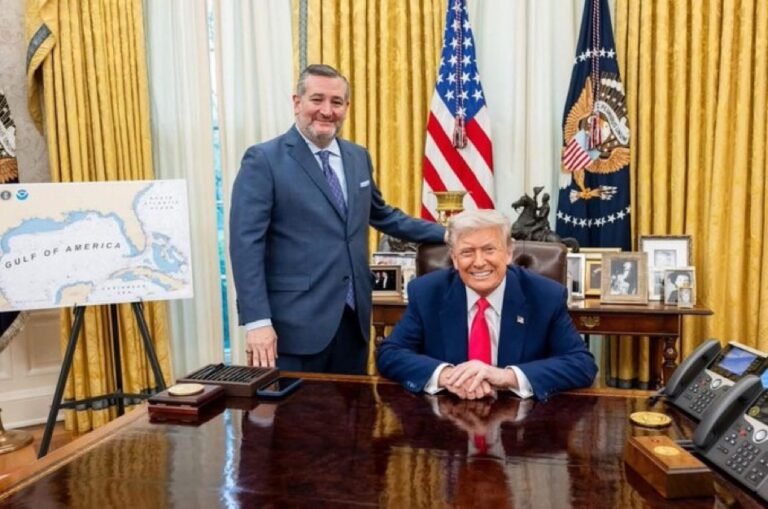
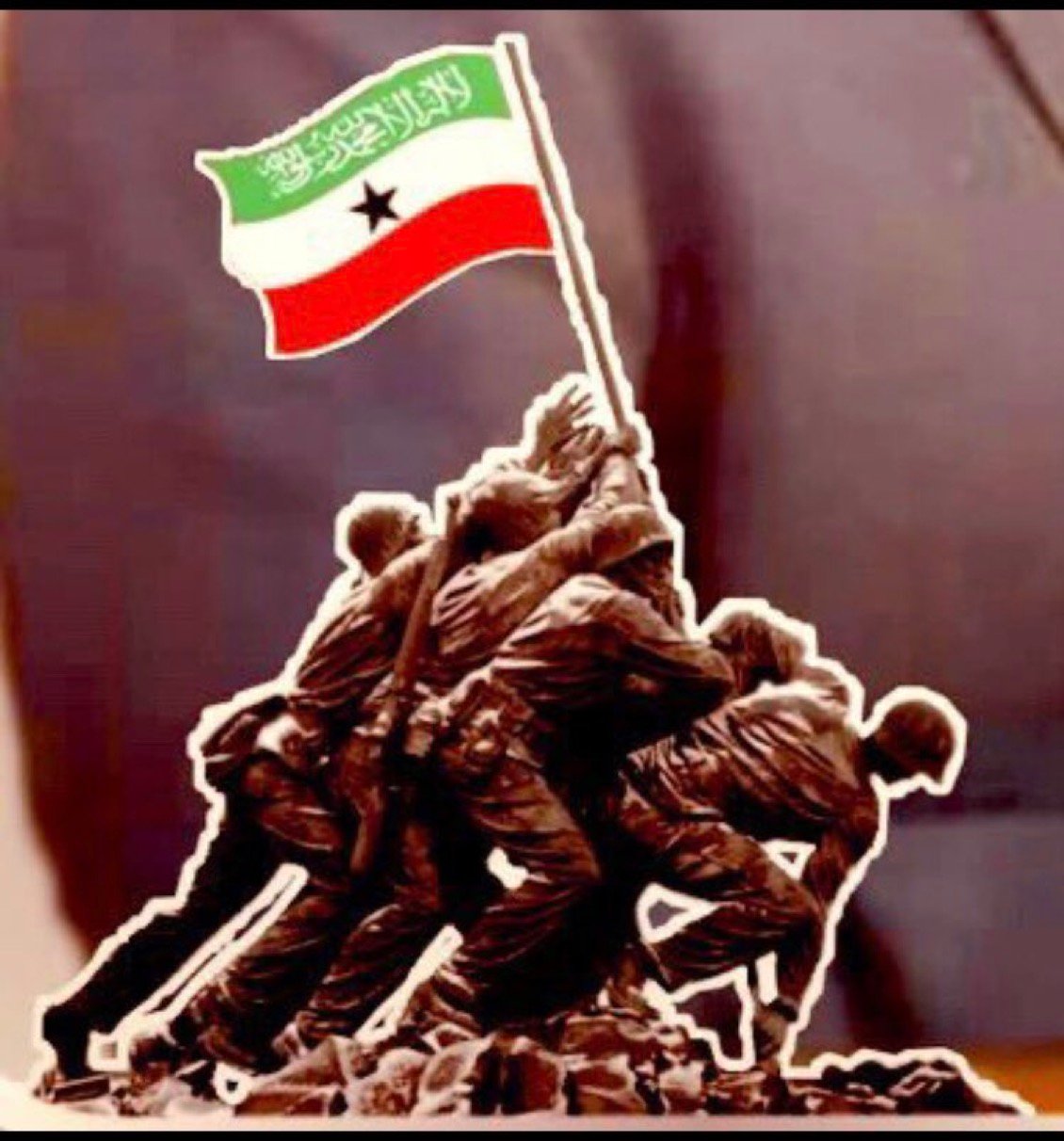
Recognition is no longer a distant dream. In Washington, London, and Brussels, policymakers are openly debating Somaliland’s case. The recent moves by U.S. lawmakers, combined with Somaliland’s partnership with Taiwan and Ethiopia, signal that the tide is turning. Villa Somalia’s diplomatic tantrums cannot stop this momentum.
⸻
The Future: Recognition on the Horizon
The furor over visas and airspace should be seen for what it is: a sign of desperation from Mogadishu, not strength. As Somaliland deepens ties with democratic partners and plays its strategic role in the Red Sea and Horn of Africa, recognition is drawing nearer. The President of the Republic of , Abdirahman Mohamed Abdillahi, was not surprised but said he was “astonished to hear statements from the President of Somalia, who cannot even manage Mogadishu…. “Somaliland governs its own land, sea, and airspace.”
Somaliland’s dreams cannot be grounded by paper decrees from Mogadishu. The people of Somaliland have charted their own flight path since 1991—and it leads forward, not back.