China: Geopolitical Enemy
By Prof. Nassir Hussein Kahin, bridgingsomaliland.com
Part III – The China Factor and the Trump Question
What transforms Somaliland’s recognition from a long-shot dream into a live policy debate is not just its democracy or stability. It is China.
Beijing in Djibouti, Iran in the Red Sea
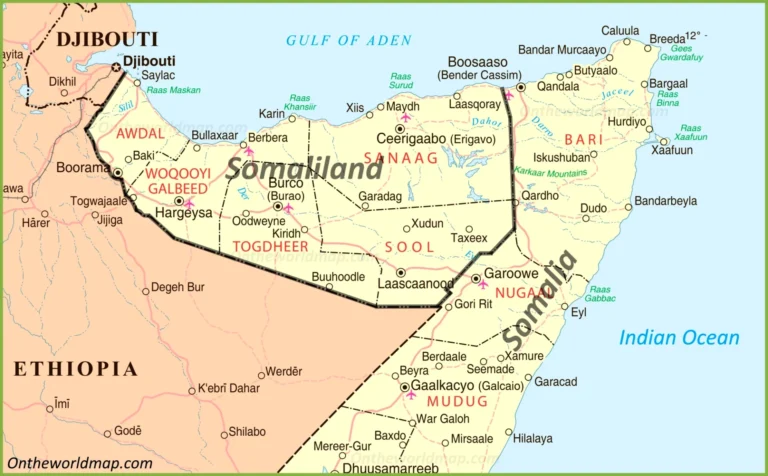
China already operates a military base in Djibouti — just miles from Somaliland’s coast. It has used its foothold to project power into the Red Sea, where Iran-backed Houthis, equipped with Chinese weapons and satellite imagery, have launched attacks on shipping lanes. These waters carry much of the world’s trade, including energy supplies critical to the U.S. and its allies.
Republican lawmakers argue that ignoring Somaliland is no longer a luxury; it is a national security risk. A friendly, democratic Somaliland offers the U.S. a chance to secure a stable coastline, protect vital shipping lanes, and tap into mineral resources critical for the clean energy transition.
Recognition as a Strategic Play
For Trump, the argument is simple: recognition of Somaliland would be a bold, America First move. It would:
• Undercut China’s monopoly in the Horn of Africa.
• Secure access to critical minerals like lithium and copper.
• Strengthen ties with democratic allies like Taiwan and Israel.
• Show decisive leadership where past administrations hesitated.
It is the kind of dramatic foreign policy gesture — simple, symbolic, and high impact — that Trump thrives on.
Winning Public Opinion First
But as with Taiwan, Ukraine, and Israel, U.S. foreign policy rarely moves in a single leap. First comes congressional advocacy, media coverage, and public education. Only then does the White House act.
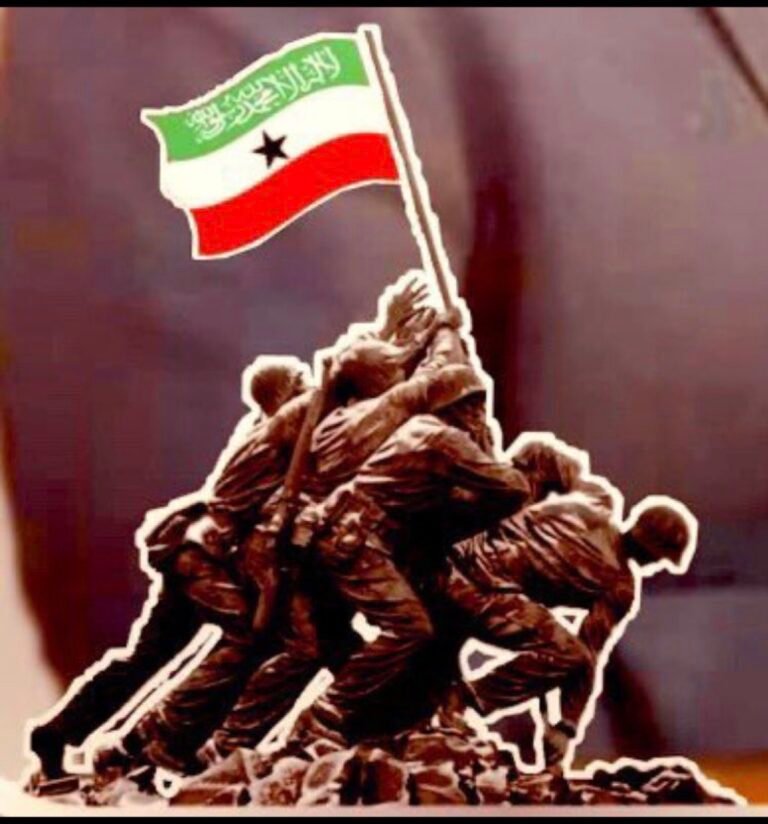
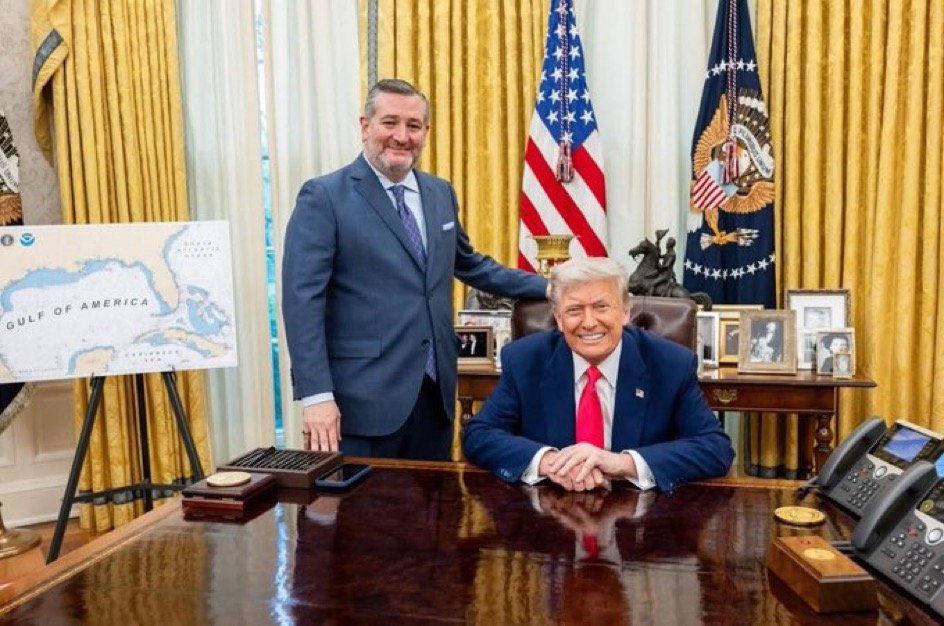
That is what we are witnessing now: Moolenaar, Smith, and Cruz are laying the foundation. Breitbart’s coverage ensures the conservative base hears Somaliland’s story. And when the moment is ripe, Trump could seize recognition as a signature move, distinguishing himself from Biden and reshaping America’s Africa policy for a generation.
Conclusion: Somaliland’s Moment
The travel advisory may be the immediate battle, but the war is over recognition. The U.S. has long ignored Somaliland’s democratic reality, hiding behind a policy that serves neither American interests nor African stability. Now, with China and Iran pressing their advantage in the Red Sea, the cost of inaction is rising.
If history is any guide, today’s congressional pressure is tomorrow’s presidential decision. And for Somaliland, that means its long wait for recognition may soon be over — with Donald Trump holding the pen.