In Defence of Democracy, We Believe In
By Prof. Nassir Hussein Kahin, Political Analyst, International Affairs Writer & Managing Editor, bridgingsomaliland.com
Title Series: Somaliland at the Crossroads: Part I
Part I – From Congress to Taiwan: How Somaliland Entered Washington’s Radar
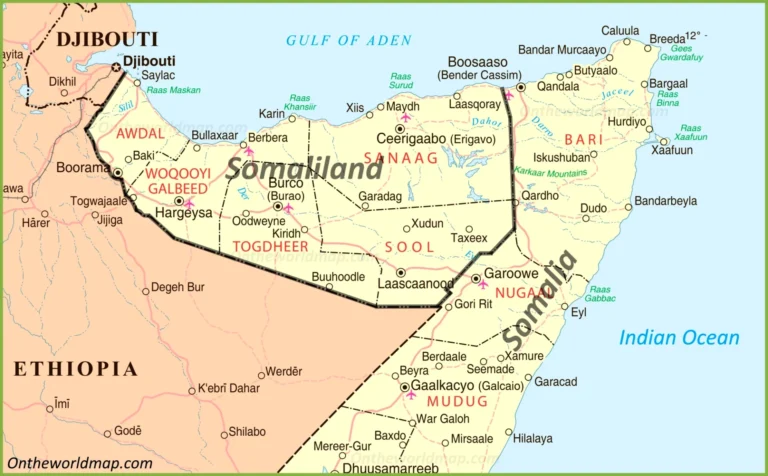
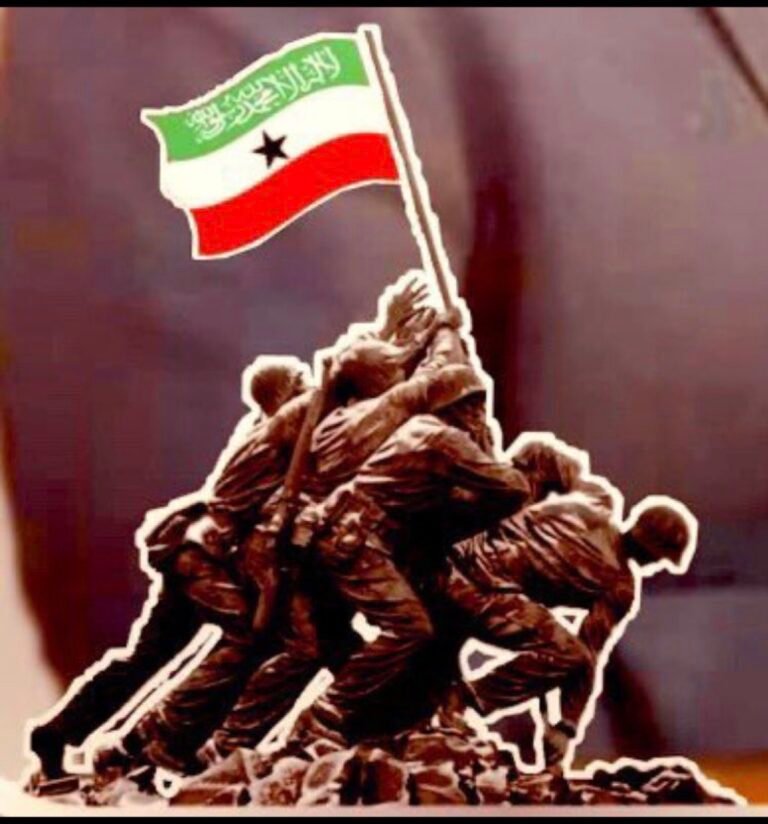
For decades, Somaliland’s quest for recognition was dismissed as a regional dispute, overshadowed by the international community’s insistence on the “One Somalia” policy. Yet, in Washington’s corridors of power, a different story has quietly taken shape. Step by step, Somaliland has moved from obscurity into the spotlight of U.S. strategic debates, thanks to a combination of congressional curiosity, its democratic resilience, and a bold partnership with Taiwan.
The Early Congressional Glimpses
In the aftermath of Somaliland’s 1991 declaration of independence, American foreign policy treated it as little more than a breakaway region. But as Somalia collapsed into civil war and extremist violence, Somaliland charted another course — organizing elections, creating functioning institutions, and policing its long coastline against piracy.
By the mid-2000s, a handful of U.S. lawmakers began to note this contrast. Reports from international observers describing peaceful transfers of power in Hargeisa reached congressional committees, raising the question: why was Washington ignoring a democracy while investing billions in Somalia’s failed state?
Somaliland and Taiwan: The Turning Point
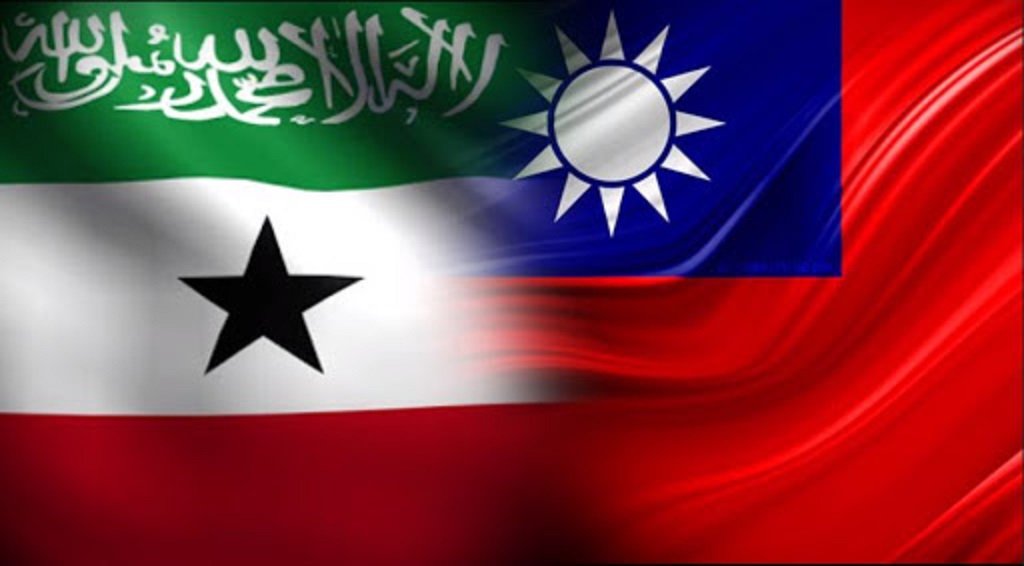
The year 2020 marked a decisive shift. Somaliland and Taiwan opened reciprocal representative offices — defying both Mogadishu and Beijing. For Taiwan, it was a rare diplomatic victory in Africa. For Somaliland, it was a bold declaration of sovereignty.
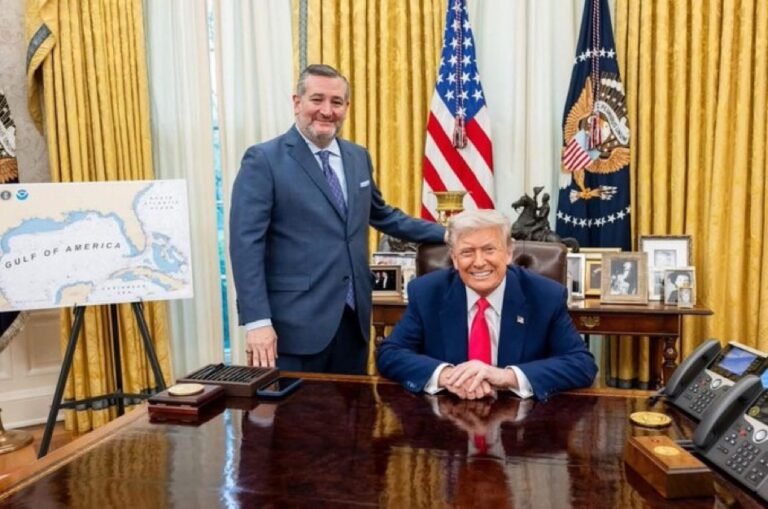
This act did not go unnoticed in Washington. Republicans in particular framed it as an act of democratic defiance against authoritarian bullying. Just as Taiwan stood against China’s claims, Somaliland stood apart from Somalia’s chaos. The symbolism was powerful.
A Playbook Borrowed from Taiwan
Taiwan has long understood that survival depends on building allies in Congress and shaping U.S. public opinion. Somaliland, whether by design or coincidence, began to follow a similar path. By tying its narrative to democracy, counterterrorism, and shared values, Somaliland won champions on Capitol Hill.
The seeds planted in those years would set the stage for today’s sharper debate: should the U.S. continue to uphold a failed “One Somalia” fiction, or embrace Somaliland as a democratic partner in a strategic region?