By Prof. Nassir Hussein Kahin, Political Analyst, International Affairs Writer and Managing Editor, bridgingsomaliland.com
For Ethiopia, history is not a distant memory — it is a wound, a compass, and an obsession. Two struggles define the Ethiopian state across generations: the quest for fair use of the Nile and the longing to reclaim access to the Red Sea. Together, they form the twin pillars of Ethiopia’s modern diplomacy — and its fiercest battles for survival.
⸻
The Nile: A Colonial Injustice Revisited
No river in the world carries as much political weight as the Nile. Ethiopia, perched high in the Horn of Africa, contributes nearly 85% of the waters through the Blue Nile. Yet, for over a century, it was denied meaningful use of those waters.
The 1929 and 1959 treaties, brokered under colonial auspices, gifted Egypt and Sudan almost exclusive rights, as if Ethiopia’s rivers did not exist. Addis Ababa never signed, but the legacy of exclusion hung heavy.
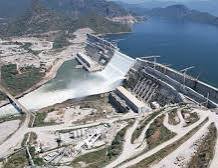
The Grand Ethiopian Renaissance Dam (GERD), launched in 2011, was Ethiopia’s answer: a colossal hydroelectric project, not just of concrete and turbines, but of sovereignty and dignity. It declared that Ethiopia would no longer bow to colonial agreements.
To Egypt, the GERD is a matter of life and death. To Ethiopia, it is justice long denied — the electrification of its villages, the powering of its industries, and the symbol of its independence. Negotiations have been endless, tensions high, but Addis Ababa has been unyielding: the Nile flows through Ethiopia, and Ethiopia has the right to use it.
⸻
The Red Sea: Escaping the Geographic Prison
If the Nile symbolizes colonial injustice, the Red Sea symbolizes geographic captivity. Ethiopia once had proud ports on the Red Sea. Massawa, Assab — names that echo with lost sovereignty. But in 1993, Eritrea’s secession turned Ethiopia into the world’s most populous landlocked nation.
Since then, Ethiopia has been chained to Djibouti, dependent on its tiny neighbor for over 90% of its trade. The costs are staggering — billions in fees, strategic vulnerability, and the humiliation of being cut off from the sea.
Prime Minister Abiy Ahmed has reframed the issue in existential terms. To him, Ethiopia’s lack of sea access is a “geographic prison”. His government’s boldest move came in January 2024, when Ethiopia signed a memorandum with Somaliland: recognition in exchange for a slice of Red Sea coast, leased for 50 years.
The deal shook the region. Somalia cried foul, Eritrea and Egypt bristled, Djibouti panicked. But to Ethiopia, it was the first real attempt to break free. Peacefully or otherwise, Addis insists, the Red Sea will once again be part of Ethiopia’s horizon.
⸻
Two Fronts, One Struggle
At first glance, the Nile and the Red Sea seem like separate issues — one about rivers, the other about ports. Yet they are bound by the same logic: Ethiopia’s fight for survival, sovereignty, and restored greatness.
• The Nile struggle is about reclaiming stolen rights to water resources denied by colonial treaties.
• The Red Sea struggle is about escaping imposed dependency and reversing geographic injustice.
• Both are framed as existential quests — not policy preferences, but national survival imperatives.
And in both cases, Ethiopia faces stiff resistance. Egypt treats the Nile as its lifeline; Somalia insists Somaliland is not Ethiopia’s bargaining partner. Ethiopia, however, sees itself as historically wronged and refuses to be locked out of either the Nile or the Red Sea.
⸻
Regional Implications
Ethiopia’s twin obsessions reshape the Horn of Africa’s geopolitics:
• Conflict or Cooperation? If handled poorly, these struggles could ignite conflict — Nile wars, Red Sea rivalries. If handled wisely, they could spur regional integration and shared prosperity.
• Great Power Rivalries: The U.S., China, Gulf states, and Turkey all have stakes in both arenas. Ethiopia’s moves ripple far beyond its borders.
• Identity and Legacy: For Ethiopians, these are not just foreign policy issues but markers of nationhood. Losing on either front is unthinkable.
⸻
Final Word
Ethiopia’s story is one of a nation too big, too proud, and too burdened by history to accept limits imposed from outside. Whether it is the waters of the Nile or the waves of the Red Sea, Addis Ababa’s message is the same:
“We will no longer be denied. What is ours will be reclaimed — through diplomacy if possible, but through persistence at any cost.”
The world should take note: Ethiopia’s obsessions are not fleeting. They are generational, existential, and destined to define the Horn of Africa for decades to come.