
By Prof. Nassir Hussein Kahin, Political Analyst, International Affairs Writer and Managing Editor of bridgingsomaliland.com
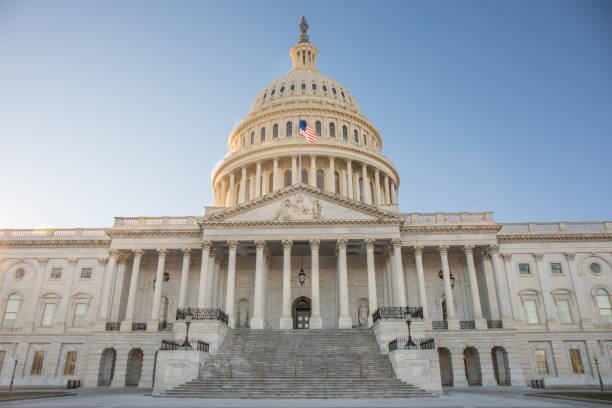
As Taiwan deepens diplomatic and security partnerships worldwide—including its bold new maritime pact with Somaliland—a little-known but powerful U.S. law could now come into sharp focus: the Taiwan Allies International Protection and Enhancement Initiative (TAIPEI) Act, introduced in Congress in 2019 and passed into law in 2020.
Passed overwhelmingly by the U.S. Congress and signed into law in March 2020, the TAIPEI Act was designed to support Taiwan’s international recognition, protect its diplomatic partnerships, and penalize countries or entities that seek to isolate it through coercion.
With growing threats from China, Turkey, Somalia, Egypt, and their regional allies seeking to block or nullify the Taiwan–Somaliland maritime agreement—possibly even through naval posturing or diplomatic blackmail—the TAIPEI Act now serves as a potential U.S. policy trigger for both defensive actions and countermeasures.
⸻
What Is the TAIPEI Act of 2020?
The Taiwan Allies International Protection and Enhancement Initiative Act of 2019, commonly called the TAIPEI Act, is a bipartisan U.S. law passed to:
• Support Taiwan’s relationships with other sovereign states and international organizations
• Deter countries from coercing, isolating, or punishing Taiwan diplomatically
• Authorize the U.S. government to use diplomatic, economic, and security measures against countries that undermine Taiwan
• Encourage and reward countries that strengthen ties with Taiwan
Key Provisions:
1. Sanctions & Reduced Support: The Act allows the U.S. to alter its economic, diplomatic, and security assistance to any country that attempts to harm Taiwan’s global partnerships.
2. Support for Allies: It encourages the U.S. to expand economic and security ties with countries that build or maintain formal/informal relations with Taiwan.
3. Multilateral Defense: The law calls for cooperation with U.S. allies to counter China’s campaign to diplomatically isolate Taiwan.
⸻
How the TAIPEI Act Applies to the Somaliland–Taiwan Maritime Pact
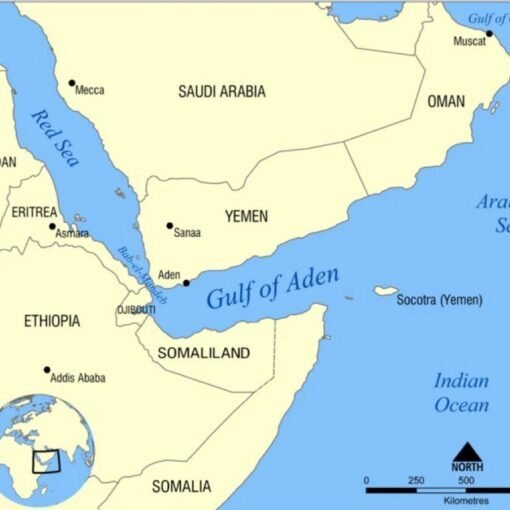
The maritime pact signed in July 2025 between Taiwan and Somaliland—two unrecognized but democratic entities—establishes joint maritime training, intelligence-sharing, and coast guard cooperation in a region increasingly dominated by Turkish and Chinese-backed influence.
As China, Somalia, Turkey, and Egypt issue threats to block or nullify this pact, the TAIPEI Act becomes legally and strategically relevant.
If These Countries:
• Threaten Somaliland with naval blockade or military force
• Attempt to nullify the agreement via international pressure or AU lobbying
• Enforce diplomatic sanctions, economic retaliation, or media disinformation targeting Somaliland
• Undermine Taiwan’s ability to maintain partnerships through blackmail or coercion
Then Under the TAIPEI Act, the U.S. Can:
• Impose targeted sanctions on state or non-state actors responsible for coercion
• Reduce military aid or financial assistance to those countries
• Increase security cooperation with Somaliland, even if informally
• Support Taiwan diplomatically at the UN, AU, IGAD, and other bodies to counter hostile resolutions
• Coordinate with allies (UK, Japan, Canada, Australia) to protect and support Taiwan–Somaliland relations
⸻
Why Somaliland Matters Under the Act
While Somaliland is not officially recognized as a sovereign state, the TAIPEI Act does not limit support to only recognized countries. It applies to “partners and allies that have strengthened their relationship with Taiwan”, including informal or technical cooperation.
Somaliland’s formal diplomatic office in Taipei, reciprocal mission in Hargeisa, and now a security agreement, qualify it as a partner under the Act. The U.S. can lawfully interpret any attempt to disrupt this relationship as grounds for action.
⸻
Possible Repercussions for China, Turkey, Egypt & Somalia
If these countries take coercive steps—such as:
• Deploying warships near Somaliland’s coast
• Blocking commercial or aid vessels entering Berbera
• Threatening Somaliland government officials
• Pressuring AU or UN to sanction Taiwan or Somaliland
• Funding proxy attacks or destabilization inside Somaliland
The U.S. Congress and Executive Branch could:
• Impose financial sanctions under the Global Magnitsky Act or TAIPEI Act provisions
• Freeze military cooperation or arms sales with involved parties (e.g., Somalia or Egypt)
• Expand joint maritime training or drone surveillance with Taiwan and its partners
• Enhance economic assistance to Somaliland, especially via USAID or AFRICOM programs
⸻
Legal Foundation and Global Precedent
The TAIPEI Act sets a global precedent: the U.S. will not stand idly by while its democratic partners are isolated or attacked for engaging Taiwan.
This precedent was reinforced when U.S. Senators and officials defended Lithuania in 2021 after China sanctioned it for opening a Taiwan representative office in Vilnius. U.S. economic and diplomatic support quickly followed.
Now, a similar model applies to Somaliland, which is being threatened not for aggression, but for cooperating with a fellow democracy.
⸻
Final Thought: A Democratic Pact Worth Defending
In an increasingly divided world, the Taiwan–Somaliland maritime agreement is more than a defense pact—it’s a symbol of resistance against authoritarian bullying.
The TAIPEI Act of 2019 gives Taiwan’s allies the legal and diplomatic cover to defend these partnerships. It ensures that if China, Turkey, Egypt, or Somalia escalate efforts to undermine the Taiwan–Somaliland relationship, the United States has both the mandate and means to respond. Political analysts are are projecting an increased U.S. interest to protect Somaliland by recognizing it just like it did with Kosovo in 2008. Kosovo’s case was then very similar to Somaliland’s current situation.
For Somaliland, the TAIPEI Act offers not only strategic reassurance but a gateway into the broader network of democratic resilience and deterrence.
⸻
bridgingsomaliland.com will continue to monitor U.S. congressional responses and regional developments as the situation unfolds.
Meanwhile have your say and post your viewpoint below: